
One Slot Available: I Take Only 3 Projects At a Time to Ensure the Best Quality

brella
brella
Marketing
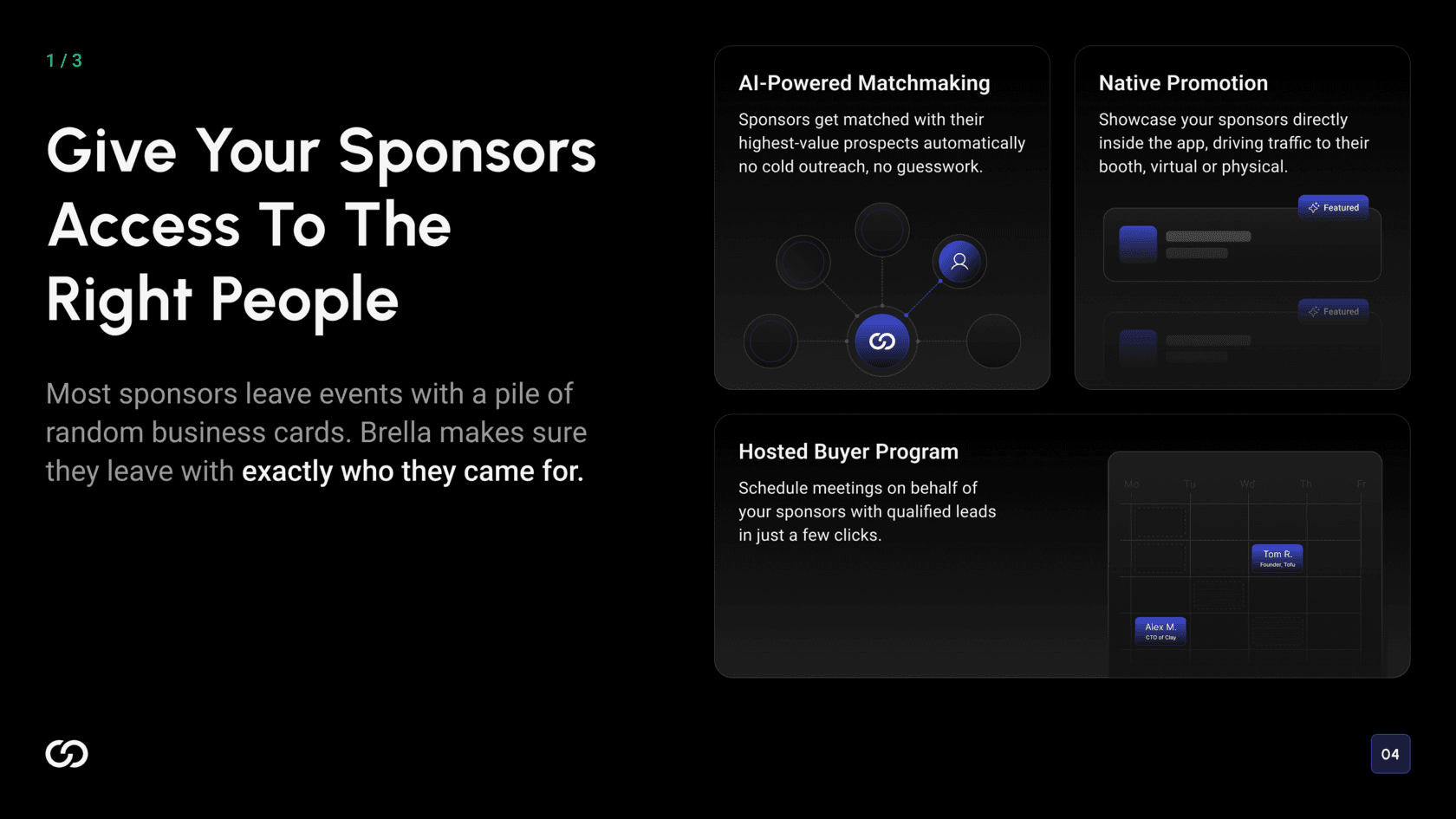
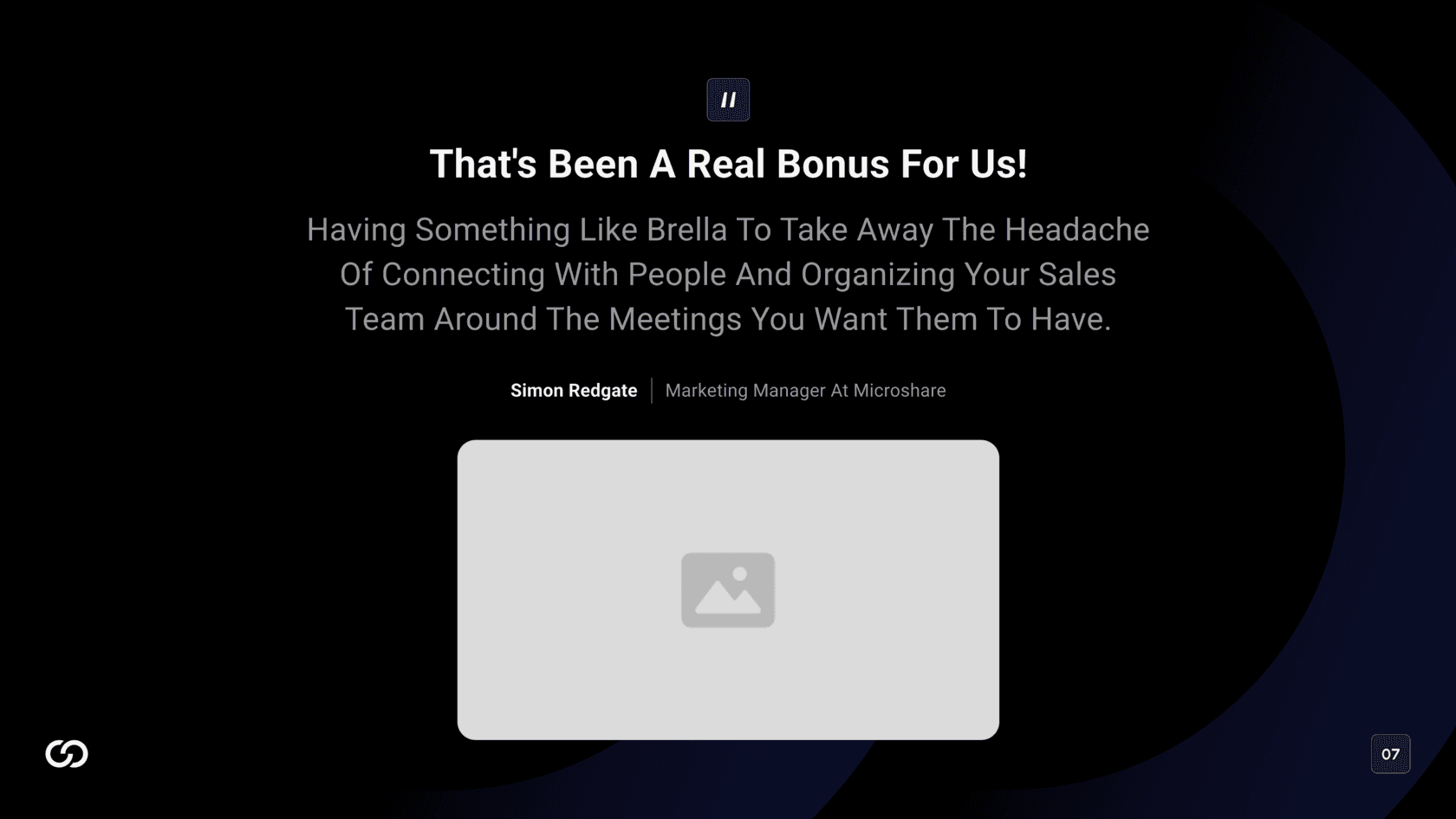
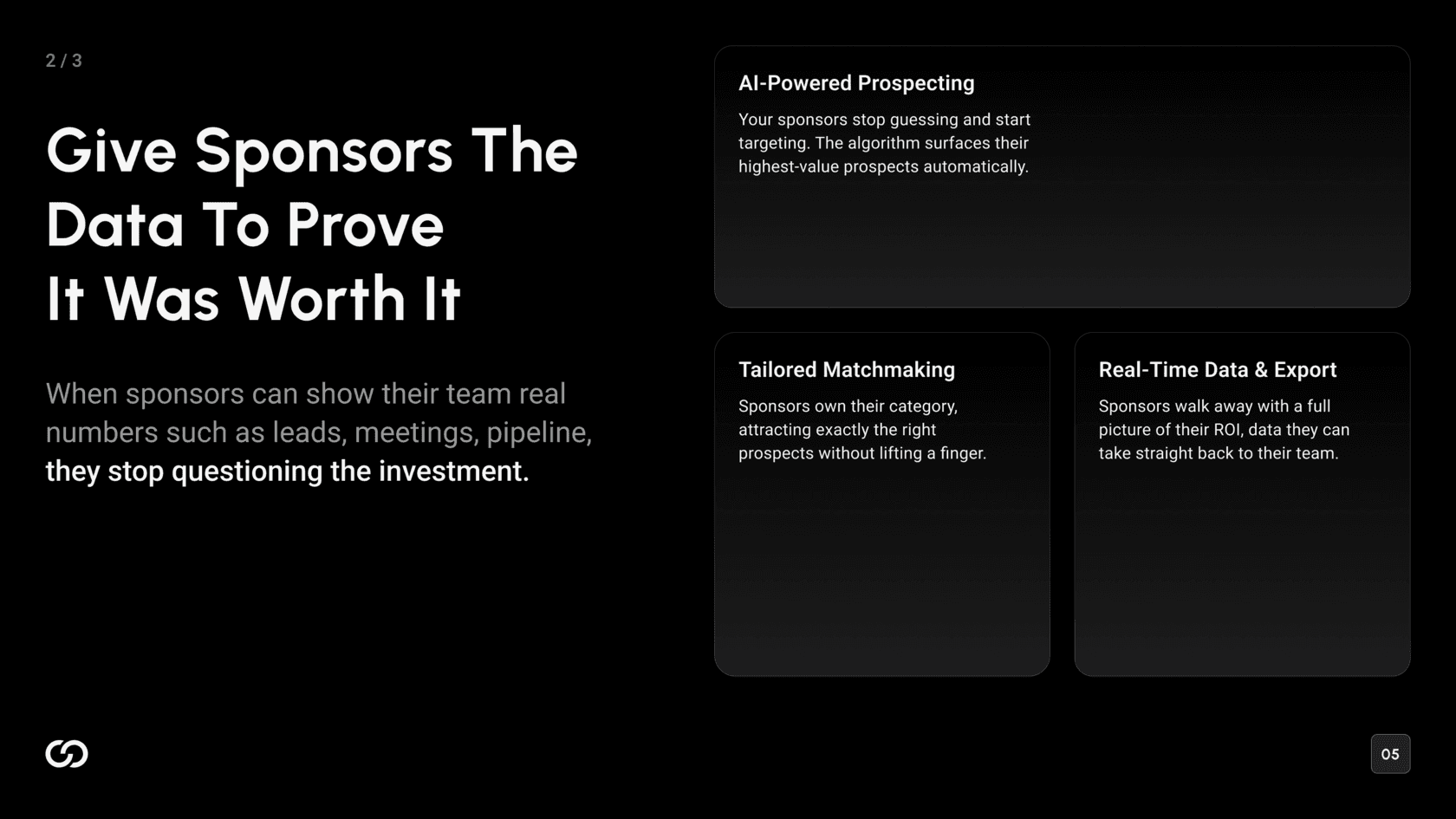
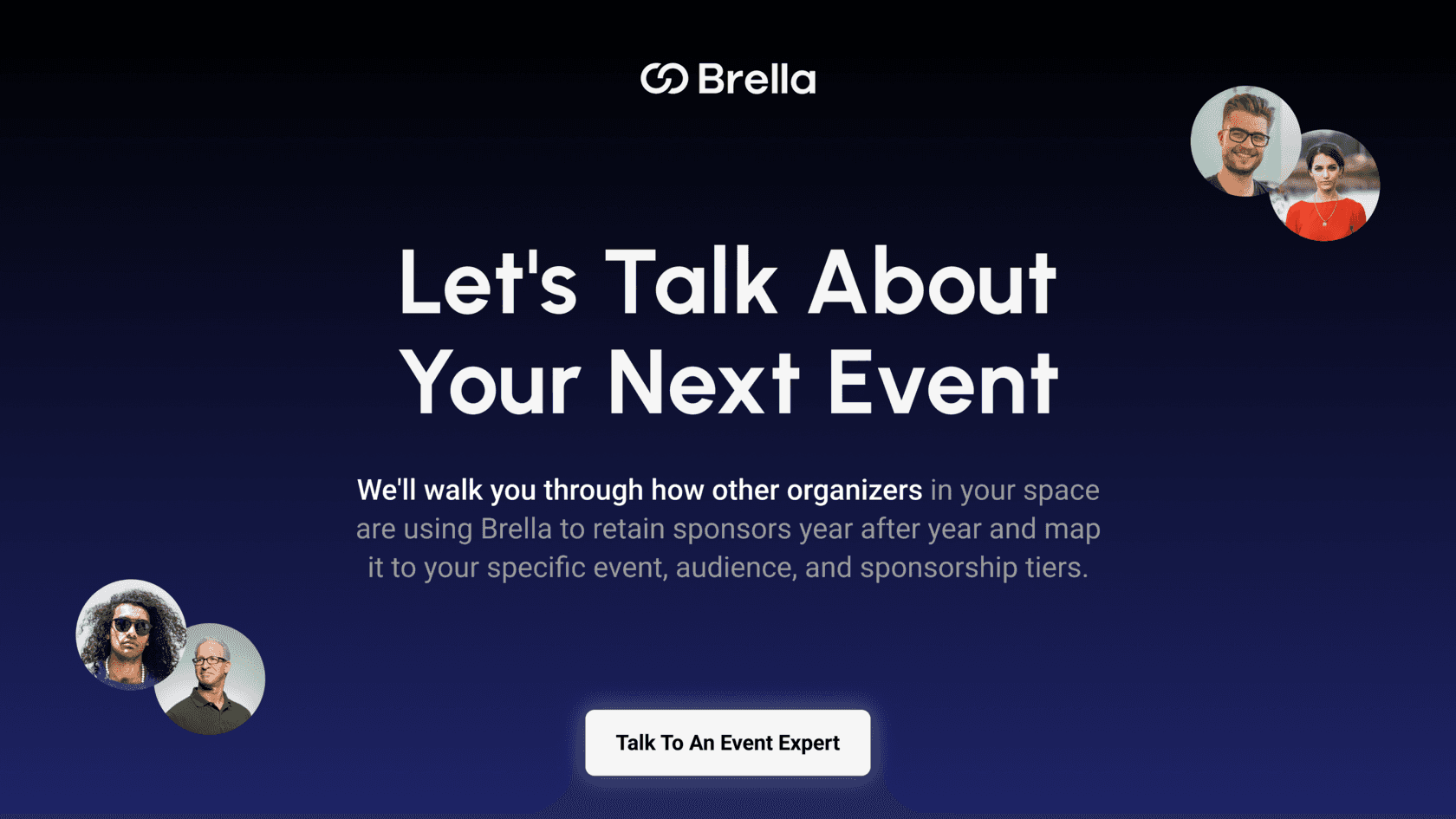
Brella is an all-in-one event platform with AI-powered matchmaking, sponsor tools, and analytics, built to help organizers run better events and deliver measurable ROI to sponsors. The goal was to create a Sales Deck that shows event organizers how Brella's sponsor features turn events into a direct pipeline channel, with proof of ROI that keeps sponsors renewing.
initial challenge
initial challenge
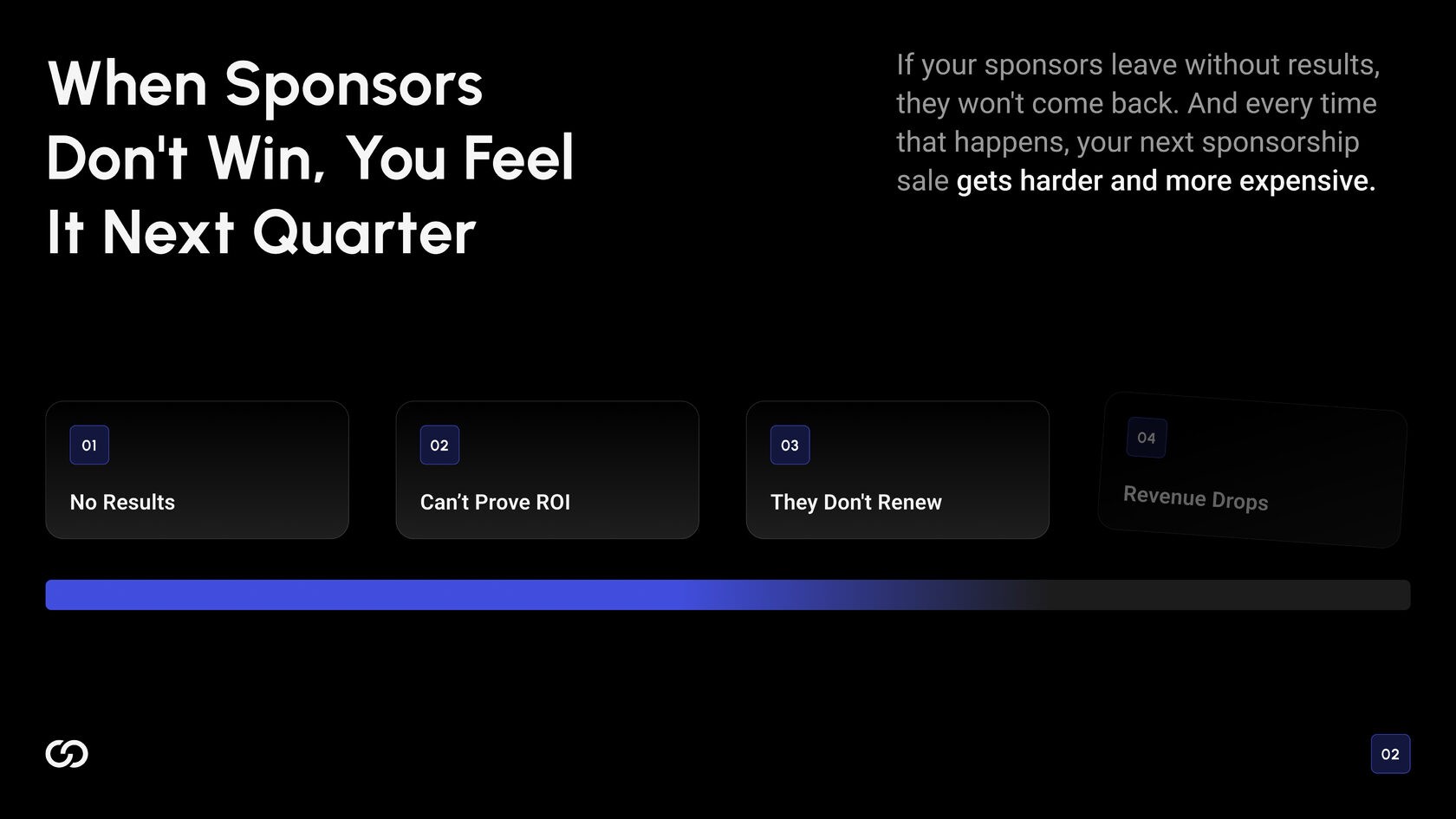
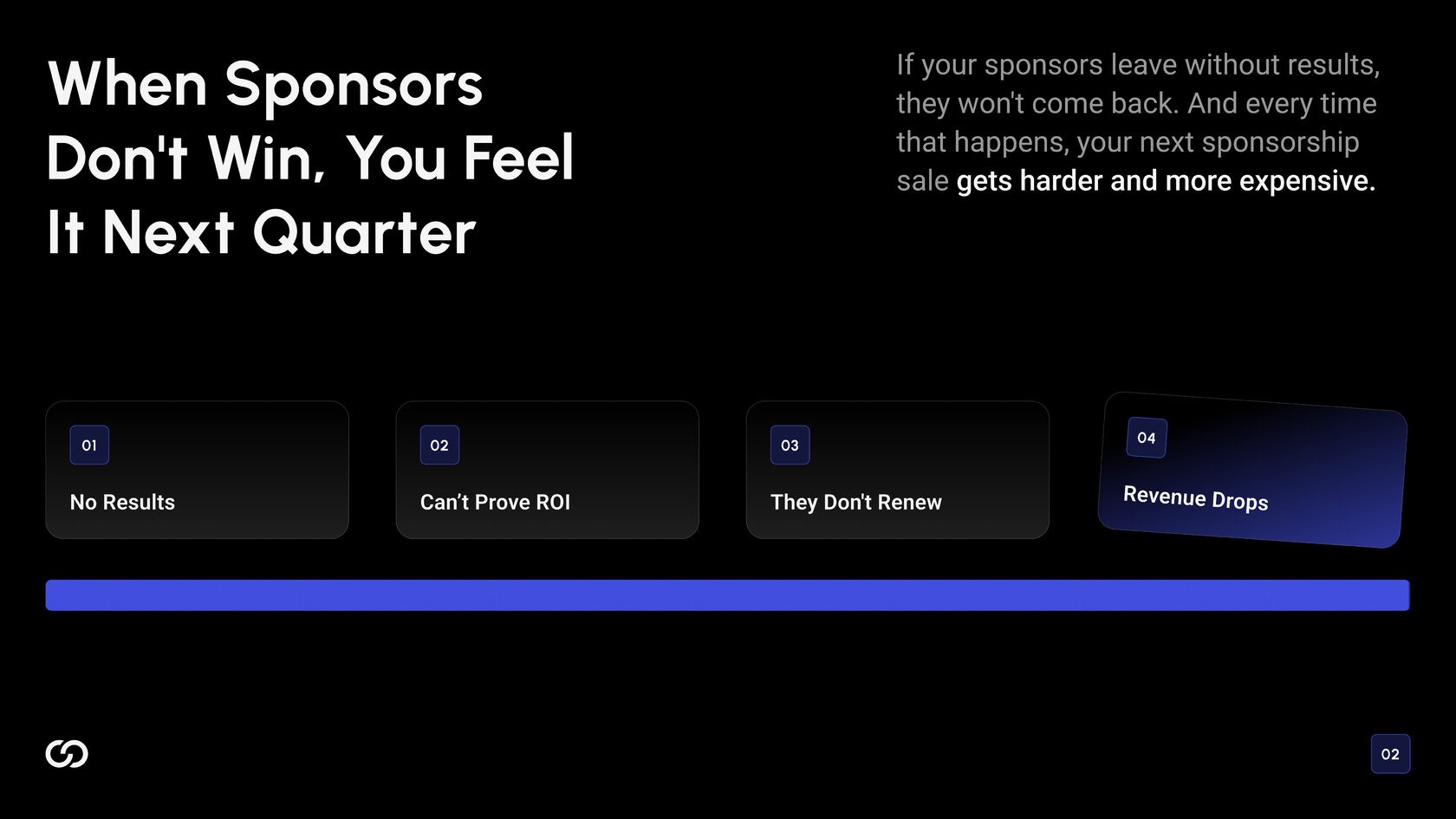
The first decision wasn't visual, but rather structural. The audience wasn't cold. These were warm prospects who already knew Brella existed. Leading with heavy credibility or feature lists would've felt like a pitch they didn't need. So I skipped that.
Instead, I built the narrative flow around where the audience actually was mentally: already curious, but not yet convinced the problem was urgent enough to act on.
The first decision wasn't visual, but rather structural. The audience wasn't cold. These were warm prospects who already knew Brella existed. Leading with heavy credibility or feature lists would've felt like a pitch they didn't need. So I skipped that.
Instead, I built the narrative flow around where the audience actually was mentally: already curious, but not yet convinced the problem was urgent enough to act on.
The first decision wasn't visual, but rather structural. The audience wasn't cold. These were warm prospects who already knew Brella existed. Leading with heavy credibility or feature lists would've felt like a pitch they didn't need. So I skipped that.
Instead, I built the narrative flow around where the audience actually was mentally: already curious, but not yet convinced the problem was urgent enough to act on.
the process
the process
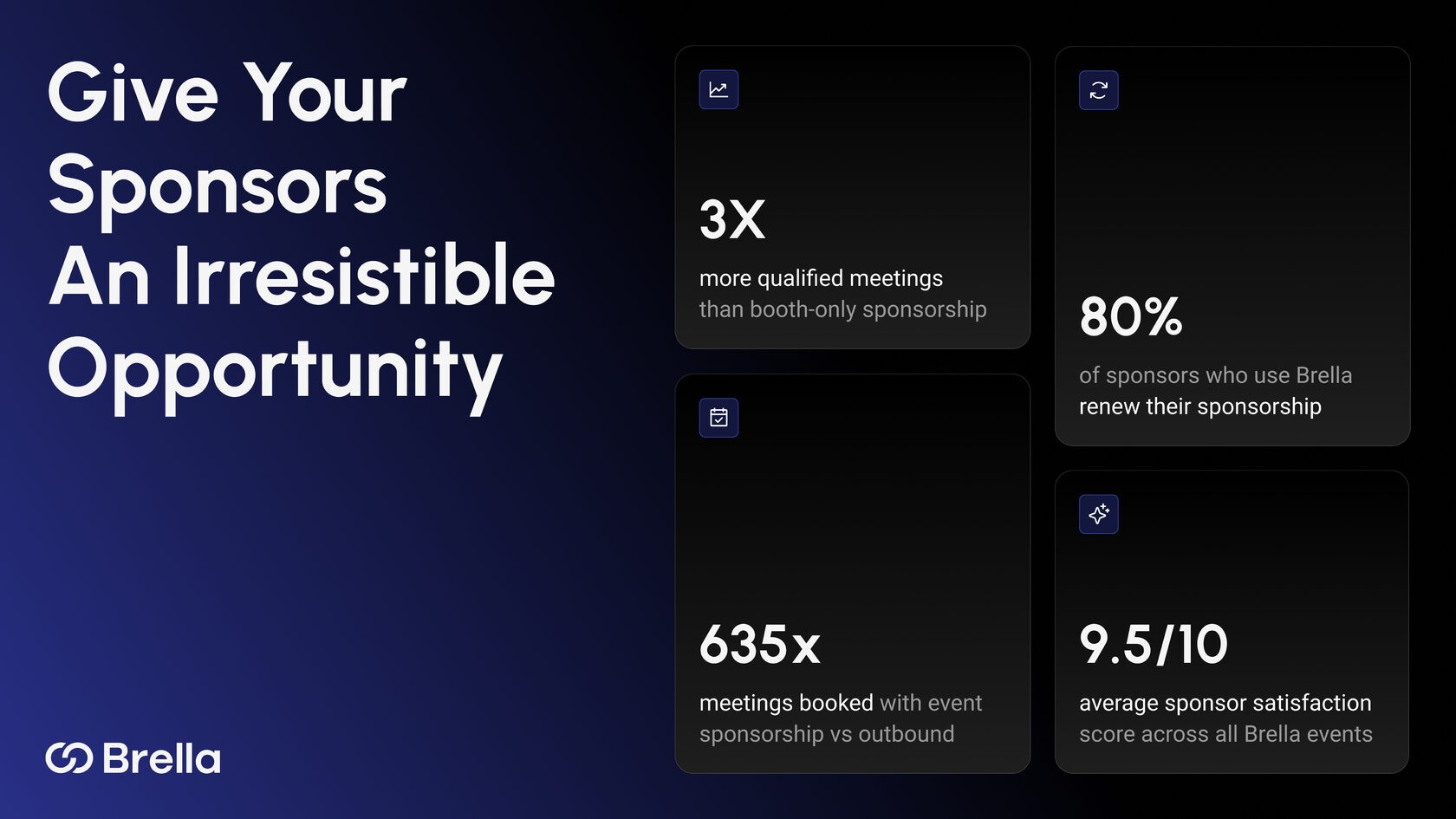
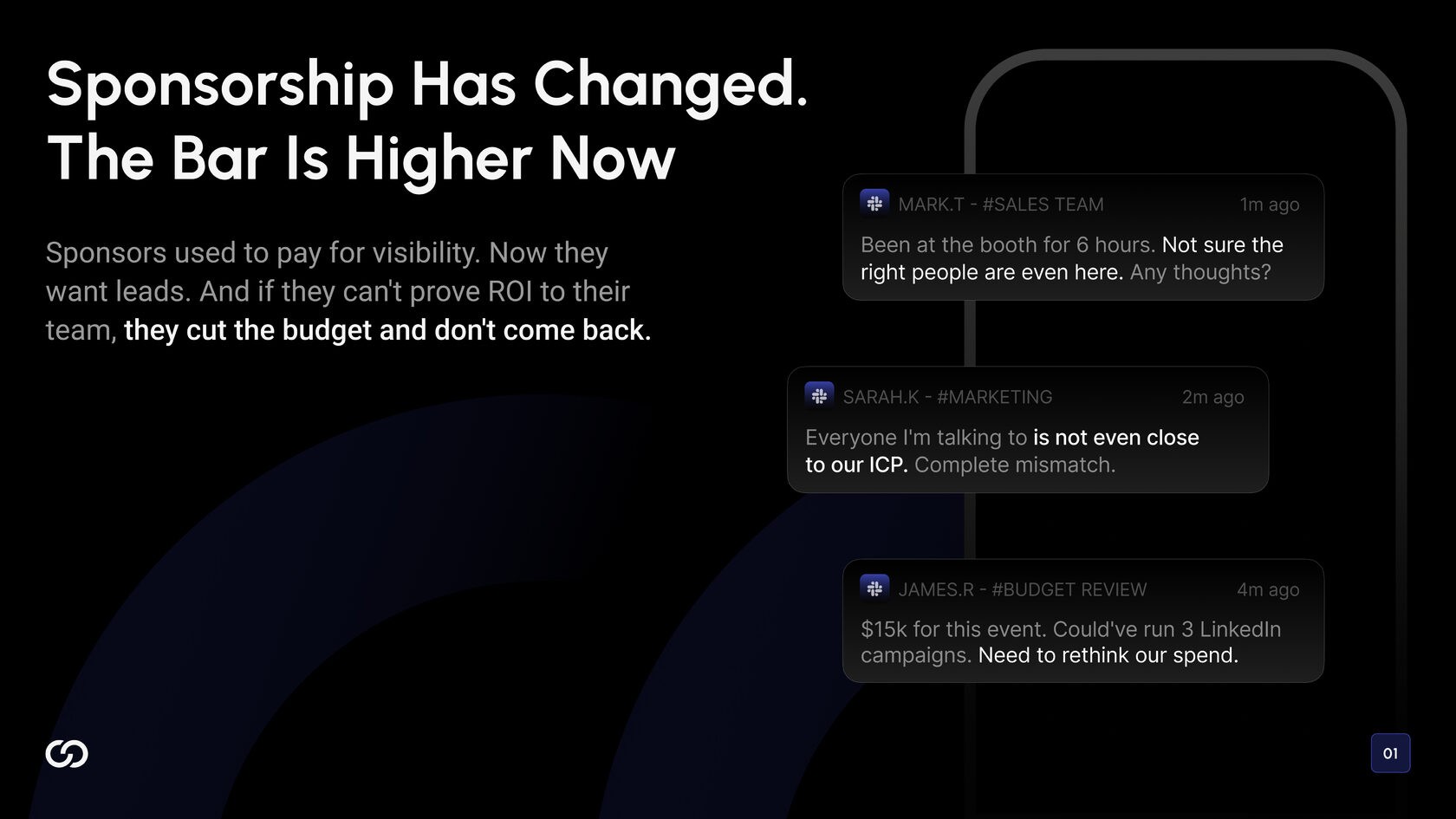
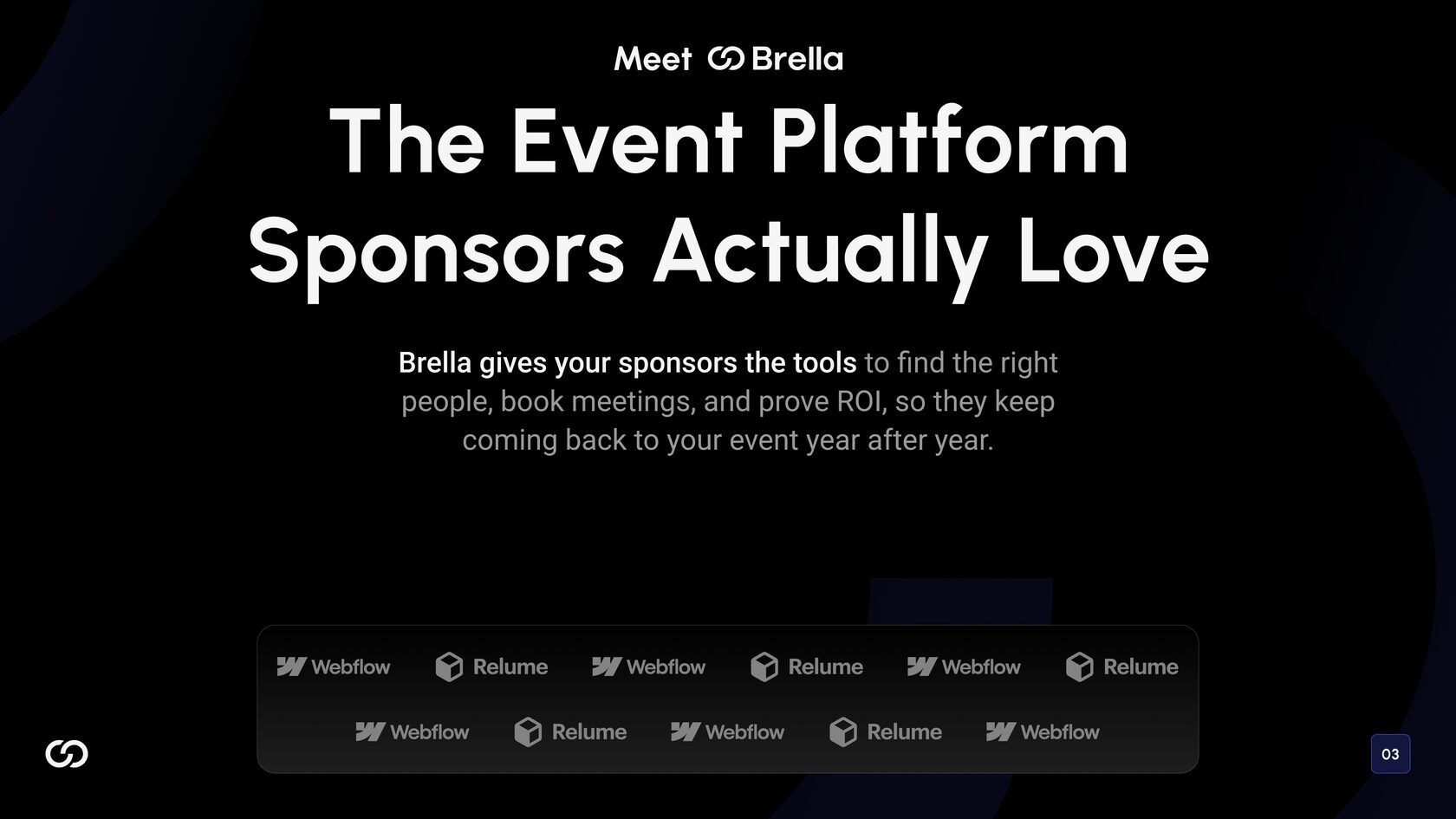
The framework I used: open with a light trust signal to establish context, move into the problem, then the consequences of leaving it unsolved, then the solution, and only after that, credibility. In that order.
Most decks do it backwards. They open with logos and awards before the reader even knows why they should care. That works for cold audiences who need social proof to stay on the page. For warm ones, it just slows the story down.
The framework I used: open with a light trust signal to establish context, move into the problem, then the consequences of leaving it unsolved, then the solution, and only after that, credibility. In that order.
Most decks do it backwards. They open with logos and awards before the reader even knows why they should care. That works for cold audiences who need social proof to stay on the page. For warm ones, it just slows the story down.
The framework I used: open with a light trust signal to establish context, move into the problem, then the consequences of leaving it unsolved, then the solution, and only after that, credibility. In that order.
Most decks do it backwards. They open with logos and awards before the reader even knows why they should care. That works for cold audiences who need social proof to stay on the page. For warm ones, it just slows the story down.
result
result
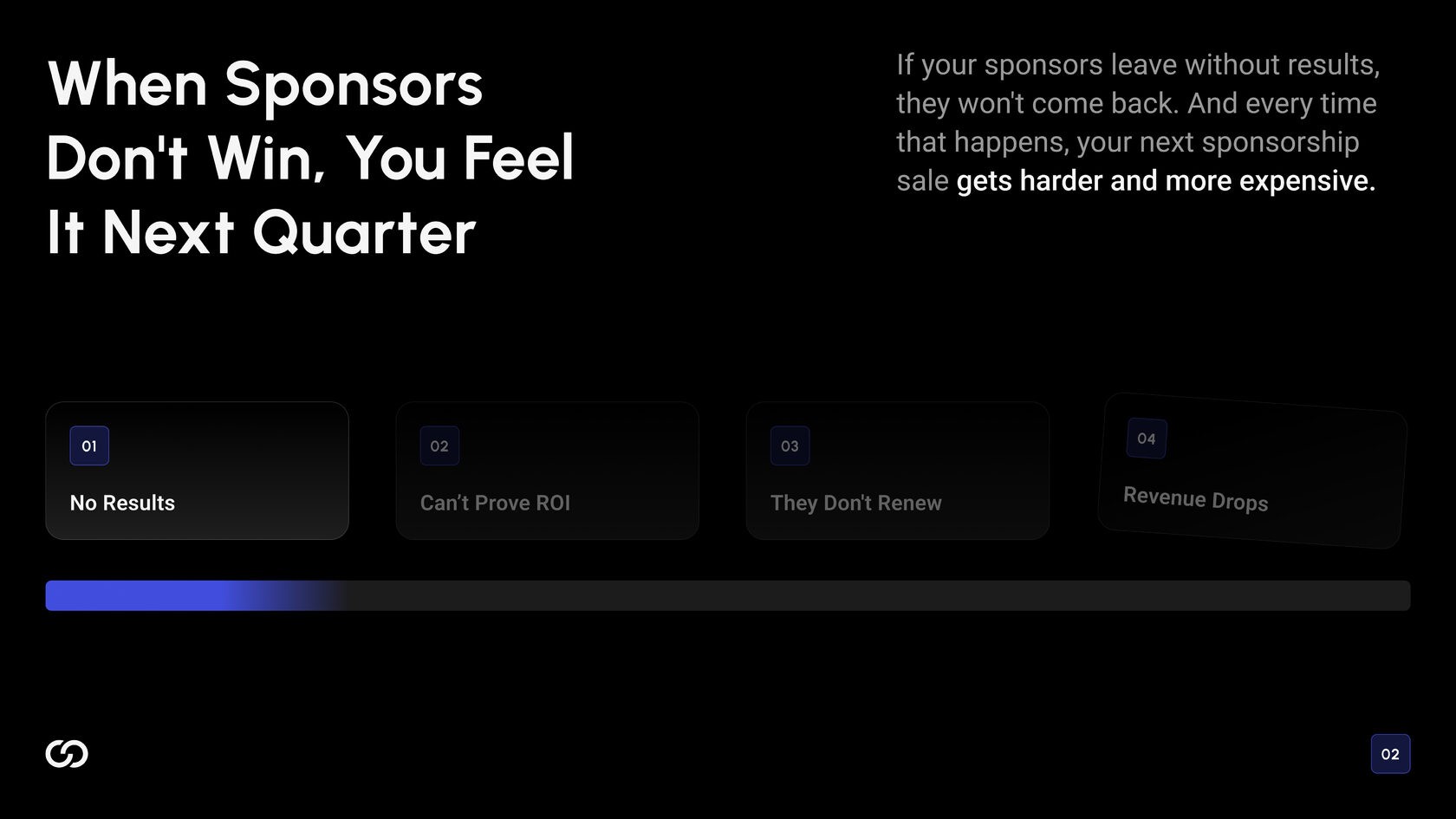
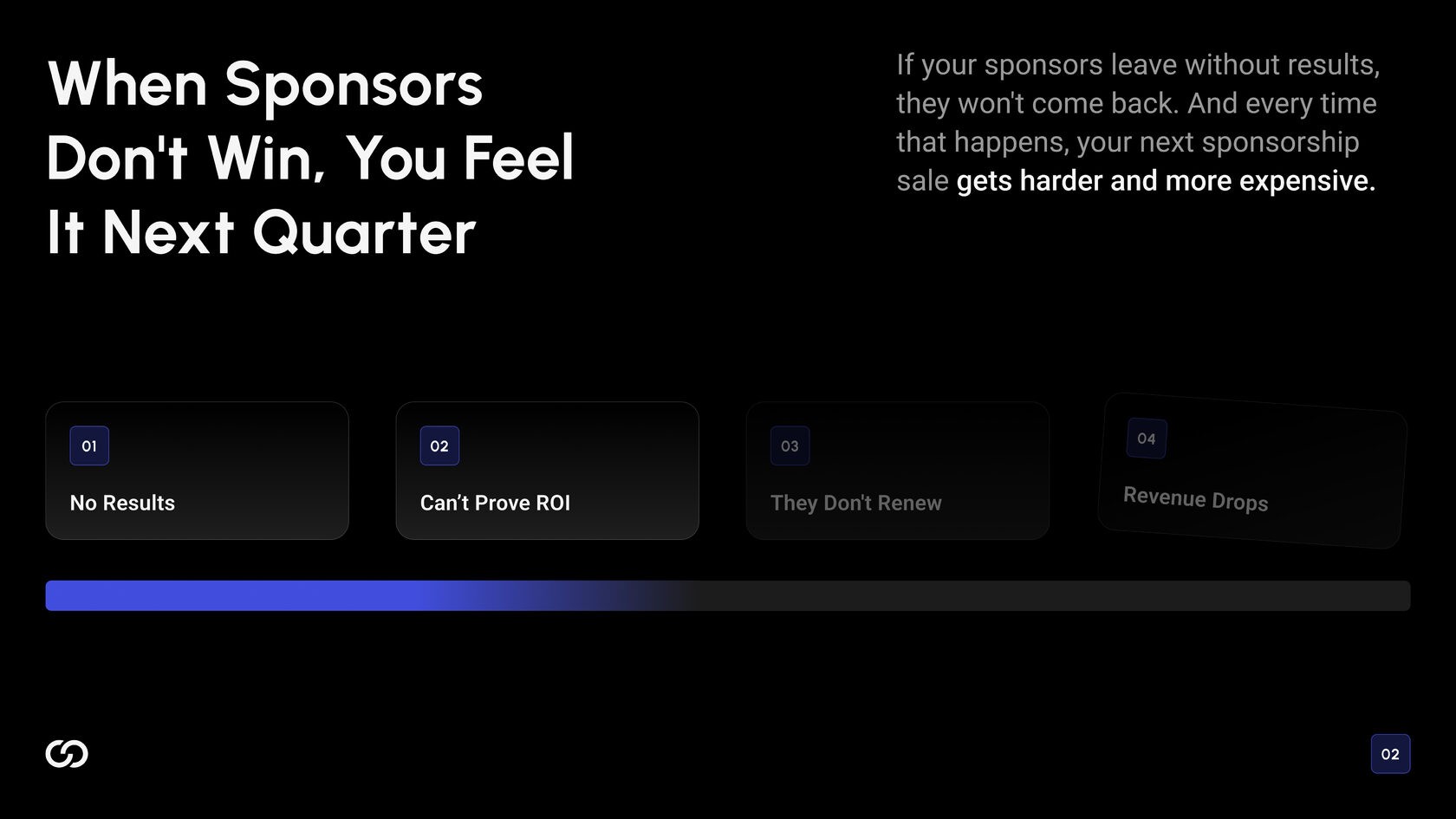
The result is a deck that reads less like a sales pitch and more like a conversation, one that meets the organizer where they are and walks them toward the decision naturally.
The framework reduced time spent on objection handling in early calls, organizers arrived already oriented around the problem, not the product. Estimated impact: 30–40% shorter qualification conversations and a stronger handoff from marketing to sales.
The result is a deck that reads less like a sales pitch and more like a conversation, one that meets the organizer where they are and walks them toward the decision naturally.
The framework reduced time spent on objection handling in early calls, organizers arrived already oriented around the problem, not the product. Estimated impact: 30–40% shorter qualification conversations and a stronger handoff from marketing to sales.
The result is a deck that reads less like a sales pitch and more like a conversation, one that meets the organizer where they are and walks them toward the decision naturally.
The framework reduced time spent on objection handling in early calls, organizers arrived already oriented around the problem, not the product. Estimated impact: 30–40% shorter qualification conversations and a stronger handoff from marketing to sales.
next project
next project

mdclarity
Marketing
Ads, Social Assets
See What's Actually Possible For Your Brand
30 minutes to map your project, your budget, and your timeline so you leave knowing exactly what this would take.
One Slot Available: I Take Only 3 Projects At a Time to Ensure the Best Quality
One Slot Available


spend less time on spend.


of HR leaders say their tools still can't keep up with headcount growth
of HR leaders say their tools still can't keep up with headcount growth
See What's Actually Possible For Your Brand
30 minutes to map your project, your budget, and your timeline so you leave knowing exactly what this would take.
spend less time on spend.
of HR leaders say their tools still can't keep up with headcount growth
of HR leaders say their tools still can't keep up with headcount growth
See What's Actually Possible For Your Brand
30 minutes to map your project, your budget, and your timeline so you leave knowing exactly what this would take.